Skip to content

Tyre diagnosis

Causes of tyre damage: what happened and can it be fixed?

Tap the part of the tyre where you see the problem. 16 causes we see on UAE roads, with how urgent each is and whether a puncture repair will fix it.

Pay by
  • tabby
  • tamara
  • Cash
  • Card

Written by Senior Tyre Technician

Published · Updated

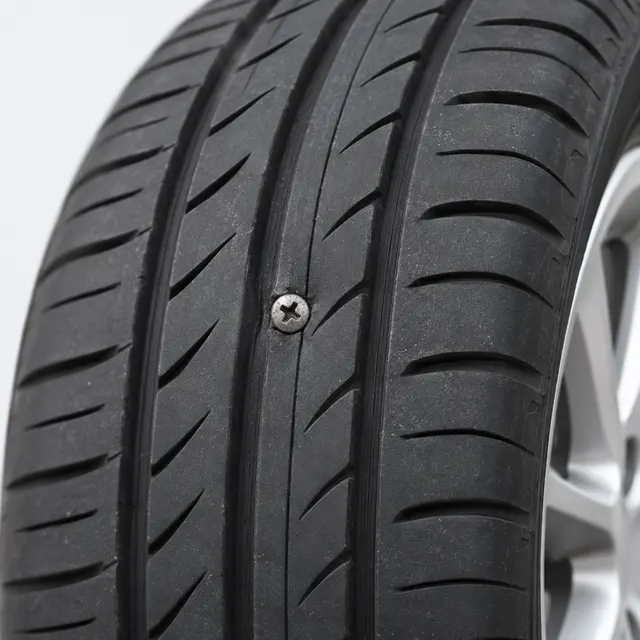
Screw lodged in the centre of a tyre treadTread centre

Nail or screw puncture

Fix soonRepairable
What you notice
A slow loss of pressure over hours or days, a TPMS warning, or a visible nail or screw head in the tread. Sometimes a faint clicking at low speed.
Why it happens
Building sites across Dubai, Sharjah and Abu Dhabi shed screws, roofing nails and steel offcuts onto access roads. Pickups and trucks carry them onto main roads, where they sit in the tread line of the lane.
What we do
If the hole is in the central tread area and no wider than about 6 mm, we remove the wheel, dismount the tyre, inspect the inner liner and fit a plug-patch from the inside. Holes too large or too close to the shoulder mean a new tyre.
Prevent it
Avoid construction access roads where you can and check the tread after driving through work zones. Leave the nail in place until repair, because pulling it out usually turns a slow leak into a flat.
Puncture Repair →

Cut from glass or road debris

Fix soonRepairable
What you notice
A clean slice or gash across the tread blocks, sometimes with a small object still embedded. Pressure may drop slowly or not at all.
Why it happens
Broken glass after accidents, metal strips from vehicle loads and sharp stones on hard shoulders. Debris collects most on the right-hand edge of highways and around industrial areas.
What we do
We inspect the depth of the cut. A shallow cut that has not reached the steel belts can be left and monitored. A cut that exposes belts or penetrates the tyre needs assessment off the rim, and long cuts are not repairable.
Prevent it
Keep clear of debris after an accident scene and avoid driving along the hard shoulder. Check tyres visually once a week.
Flat Tyre Repair →

Over-inflation centre wear

MonitorNot repairable
What you notice
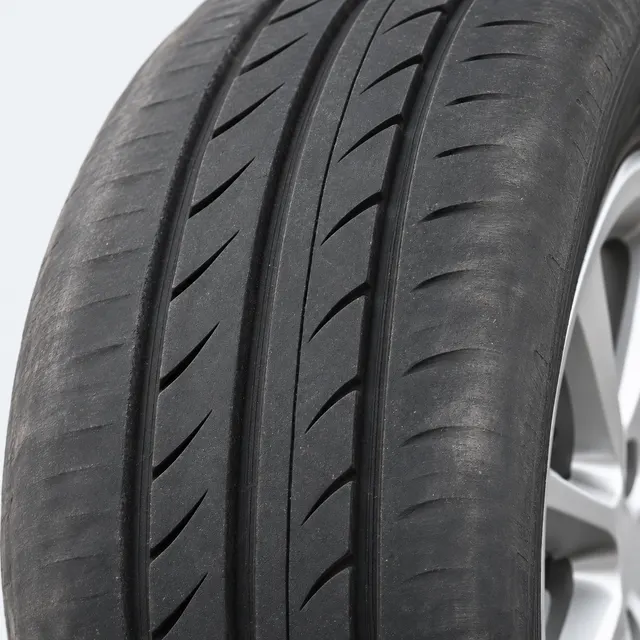
The centre of the tread wears faster than the edges. The car feels skittish over speed bumps and grip is reduced in the wet.
Why it happens
Drivers inflating to the maximum pressure printed on the sidewall instead of the door-placard value, or setting pressure hot and then topping it up again.
What we do
Reset pressures to the placard value, checked cold. If the centre tread is already below 3 mm, replace the tyres.
Prevent it
Use the pressure on the driver's door frame, measured in the morning before driving. Our tyre pressure guide lists typical values.
New Tyres →

Repairable or not: quick reference

Tyre damage FAQs

What causes most tyre damage in Dubai?
In our call-outs: screws and nails from construction areas, under-inflation in summer heat, kerb and speed-bump impacts, and UV cracking on cars parked outside for long periods.
Can a sidewall puncture be repaired?
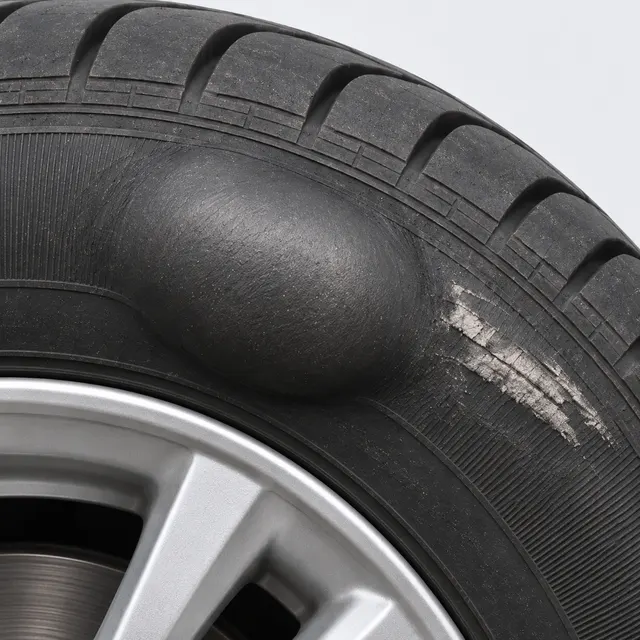
No. The sidewall flexes constantly and no plug or patch holds there safely. Any cut, bulge or hole in the sidewall means a new tyre.
Is a bulge on my tyre dangerous?
Yes. A bulge means the internal cords are broken. It can fail without warning, especially at speed in heat. Stop using the tyre and fit the spare.
Why are the edges of my tyre worn?
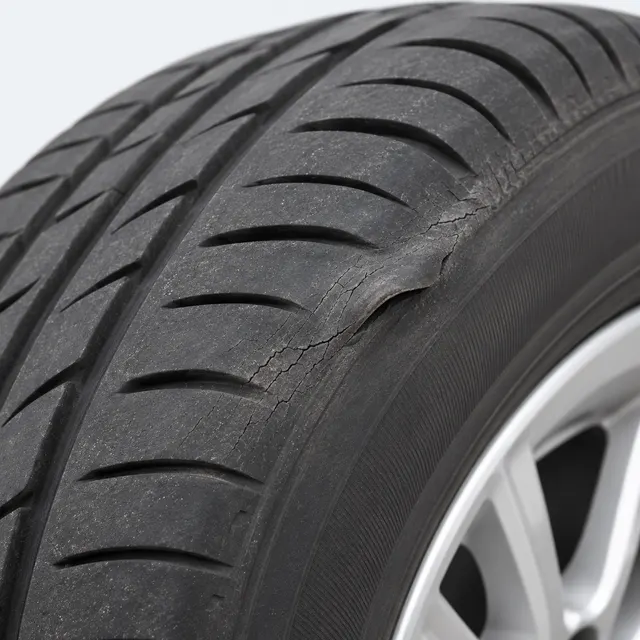
Both edges usually means under-inflation. One edge usually means misalignment. See the tread-edges zone in the diagnosis tool above.
How old is too old for a tyre in the UAE?
Most technicians recommend replacement at around 5 to 6 years from the DOT date even with tread left, because heat and UV age rubber faster here.

Not sure what you're looking at? Send us a photo.

WhatsApp a photo of the damage and we will tell you if it can be repaired, and the starting price, before anyone drives out.

  • tabby
  • tamara
  • Cash
  • Card
Need a tyre fixed? Chat now
Call nowWhatsApp