What "tyre performance" actually means
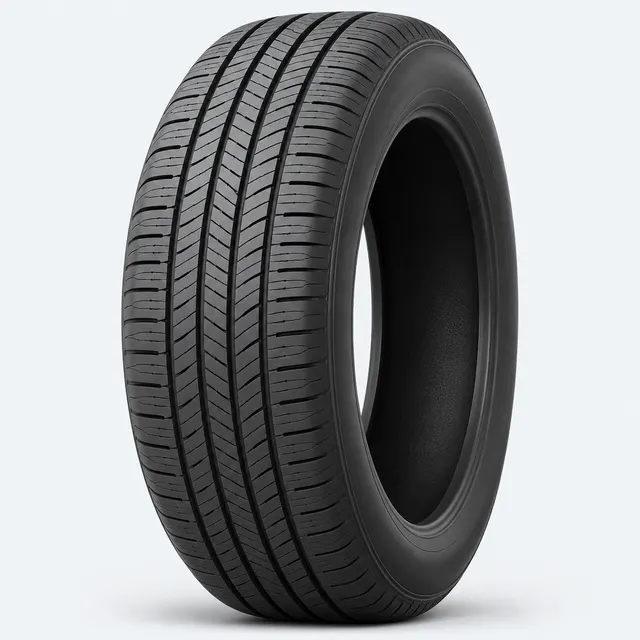
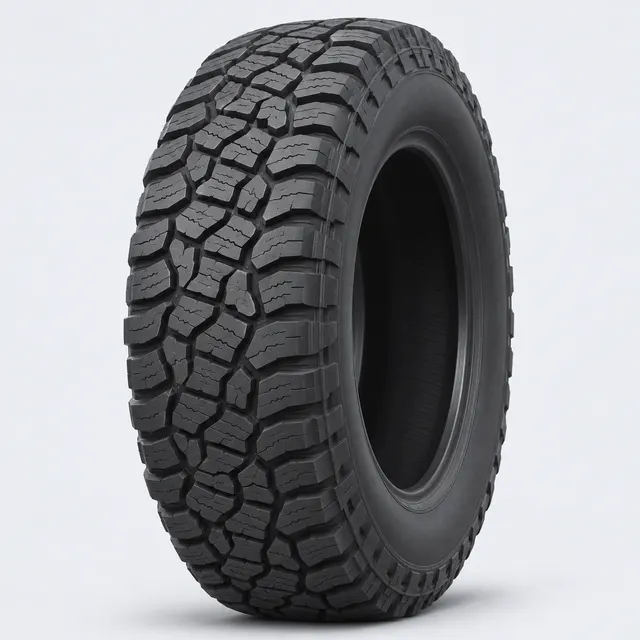
Every tyre is a compromise between six things: dry grip, wet grip, comfort, noise, tread life and rolling resistance (fuel use). Off-road traction is a seventh for 4x4 owners. A softer compound grips better and wears faster. A deeper, blockier tread works in sand and gets louder on tarmac. No tyre wins everything, so the right choice depends on how and where you drive.
| Priority | Look for | Trade-off |
|---|---|---|
| Long life on city and highway | Touring or highway-terrain, high treadwear rating | Less sharp handling |
| Sharp handling, big wheels | Performance / UHP, W or Y speed rating | Faster wear, more kerb damage risk |
| Weekend desert trips | All-terrain, 3PMSF or reinforced sidewall | More noise and fuel use |
| Lowest running cost | Eco tyres, A/B rolling resistance | Slightly longer braking on some models |
| Heavy EV | EV tyres, HL or XL load index, foam lining | Higher price per tyre |
How heat changes performance in the UAE
European tyre tests are run at 5–30°C. Our roads are 60°C plus for five months of the year. In that heat soft summer compounds wear noticeably faster, rubber hardens and cracks with UV exposure, and an under-inflated tyre overheats quickly. Brands that publish heat-resistant ranges for the Gulf, and tyres with higher treadwear ratings, tend to age better here. See how each brand scores for heat on our tyre brands page.
Reading the sidewall for performance
- Speed rating (H = 210, V = 240, W = 270, Y = 300 km/h): match or exceed the original.
- Load index (e.g. 102 = 850 kg per tyre): never go below the original, especially on SUVs and EVs.
- Treadwear (UTQG): a higher number means longer life, compared within one brand.
- Traction and temperature grades (AA/A/B): A or better for UAE heat.
- DOT date code: the last four digits are week and year. See how to read the DOT code.
Why tread depth matters more than the brand
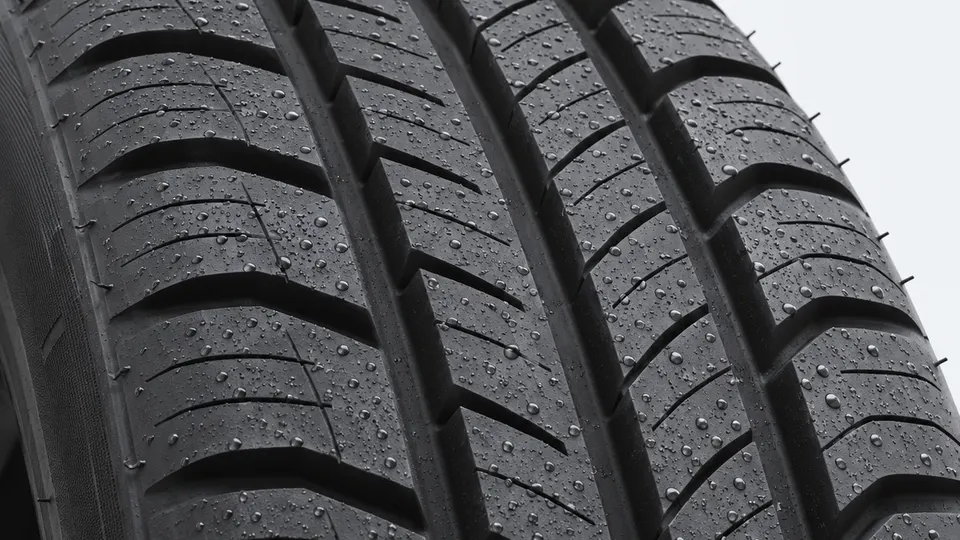
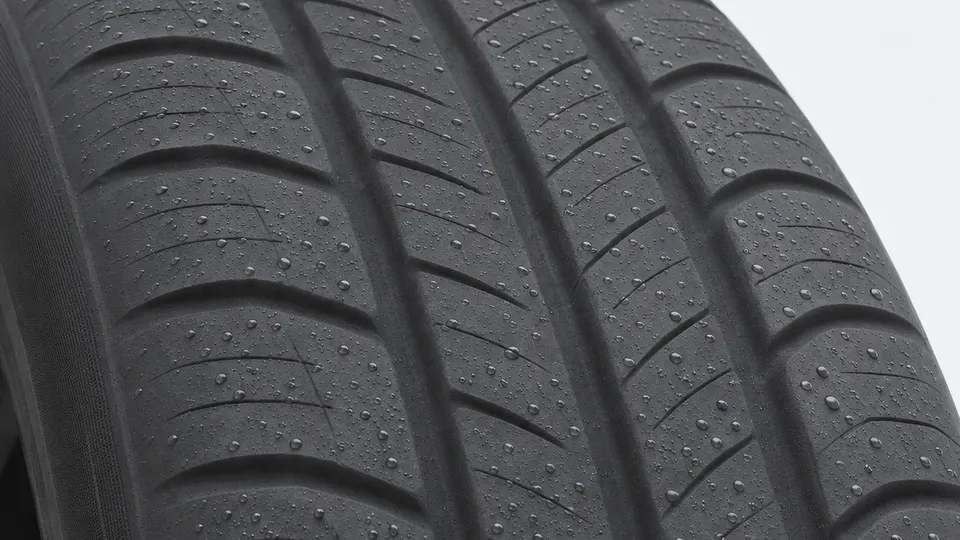
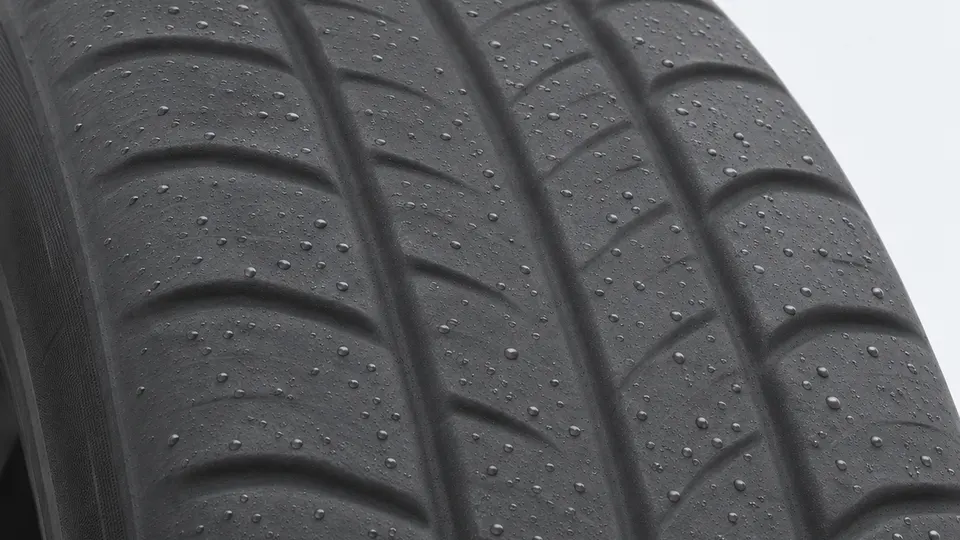
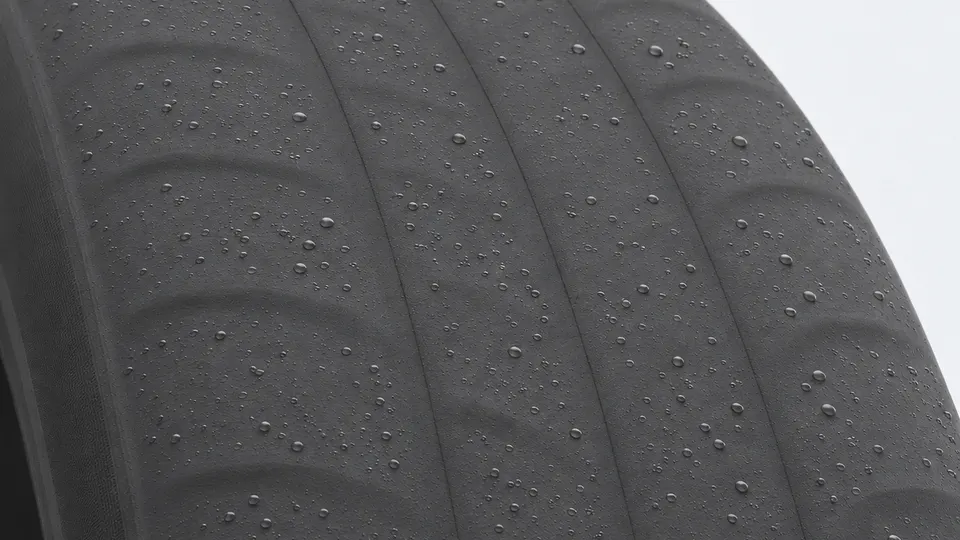
A mid-range tyre at 6 mm will stop shorter in the first rain than a premium tyre worn to 2 mm. The legal minimum widely cited in the UAE is 1.6 mm, but wet braking gets noticeably worse below about 3 mm, which is when we recommend replacing. Use the tread slider above to see the effect, and the replacement guide for the full checklist.
Put the newer pair of tyres on the rear axle. A car that loses rear grip in the wet spins; one that loses front grip just runs wide, which most drivers can handle.
Alignment, balance and pressure: the hidden performance factors
The best tyre performs badly if it is fitted badly. Misalignment feathers the tread and pulls the car, unbalanced wheels vibrate at 100–120 km/h, and wrong pressure changes the contact patch. Get a wheel alignment after any hard kerb hit, balancing with every new tyre and check tyre pressure every two weeks.